
 Made in Britain
 Paraben & SLS free
 Vegan friendly
 Cruelty free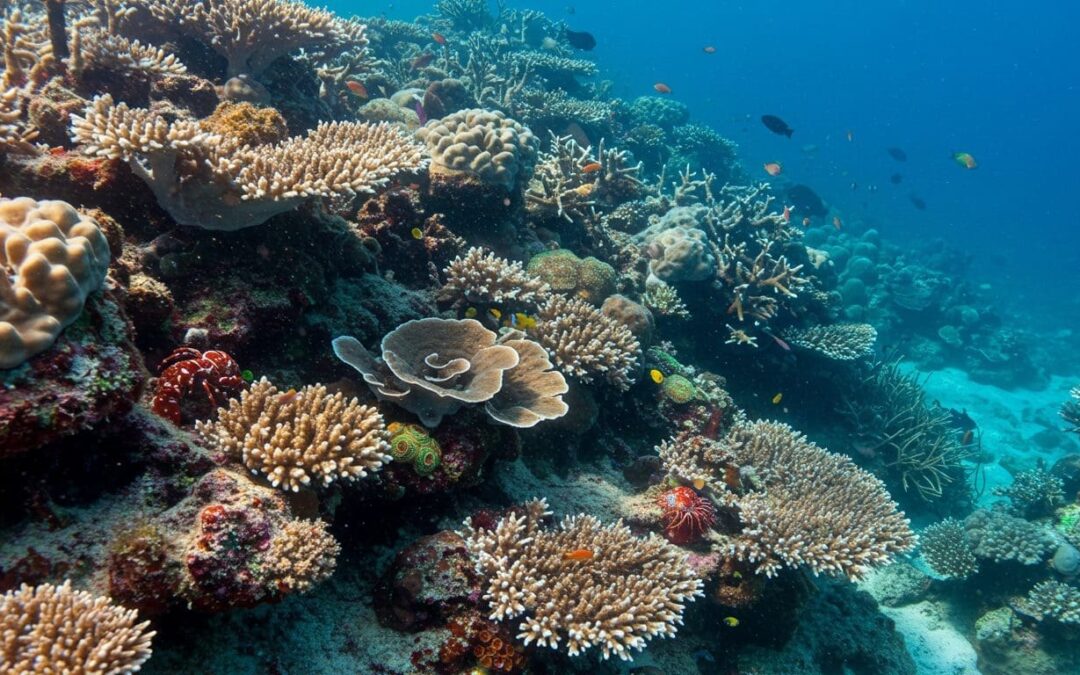
The Great Barrier Reef, the world’s largest coral reef system, has long been under threat from climate change, rising sea temperatures, and pollution. Stretching over 2,300 kilometers along Australia’s northeastern coast, the reef is home to thousands of marine species and serves as one of the planet’s most vital ecosystems.
In recent years, recurring coral bleaching events have devastated large sections of the reef, sparking international concern. Scientists warn that without urgent intervention, much of the reef could face irreversible damage within the next few decades. Now, Australian researchers are turning to artificial intelligence (AI) to provide new hope for preserving this natural wonder.
AI Monitoring for Coral Health
One of the main challenges in reef conservation is the vast size of the ecosystem, which makes manual monitoring slow and resource-intensive. By integrating AI into their research, scientists can now process huge amounts of data faster and with greater accuracy.
Using underwater drones equipped with high-resolution cameras, researchers capture thousands of images across different reef zones. These images are then analyzed by AI-powered algorithms capable of identifying coral species, detecting signs of bleaching, and mapping the spread of damage over time.
Unlike human observation, which can be limited by fatigue or bias, AI systems provide consistent and objective assessments. This allows scientists to track coral health more precisely and prioritize areas in need of urgent restoration efforts.
Predictive Models for Reef Restoration
Beyond monitoring, AI is being used to predict future risks to the Great Barrier Reef. Machine learning models analyze environmental data such as water temperature, acidity levels, and ocean currents to forecast potential bleaching events. By predicting when and where these risks are most likely to occur, scientists can take preemptive measures.
For instance, AI models can help guide the deployment of coral seeding projects, where resilient coral larvae are introduced to damaged areas. By selecting locations with the highest probability of survival, researchers increase the effectiveness of restoration initiatives.
This predictive capability is crucial because coral reefs are highly sensitive to environmental changes. Even slight increases in ocean temperature can trigger mass bleaching. AI-driven forecasting empowers conservation teams to respond quickly, improving the chances of protecting vulnerable coral populations.
Collaboration Between Technology and Ecology
The application of AI in reef conservation is the result of collaboration between marine biologists, data scientists, and environmental organizations. Universities and research institutes in Australia are working alongside tech companies to develop specialized AI tools tailored to marine ecosystems.
These partnerships not only enhance conservation strategies but also highlight the broader role of AI in addressing global environmental challenges. From analyzing satellite imagery to guiding on-the-ground interventions, AI demonstrates how technology can complement traditional ecological methods.
Community involvement is also a key component. Local divers, tourism operators, and citizen scientists are encouraged to contribute data through apps connected to AI systems. This collective approach creates a real-time feedback loop, ensuring that reef monitoring remains comprehensive and adaptive.
Source: https://malaka555.sg-host.com/